Your parking lot is one of the most important parts of your property. It’s often the first impression visitors have, but when neglected, it can quickly become a safety hazard and costly liability.
Regular parking lot maintenance is one of the most cost-effective ways to maintain a safe, functional lot and prevent more expensive repairs down the road. Whether you manage a retail center, HOA community, or industrial facility, a consistent maintenance schedule keeps your property safe, attractive, and operating efficiently.
Pave America has extensive experience providing commercial parking lot maintenance and pavement services across several markets nationwide. Our annual maintenance checklist helps you care for your investment year-round.
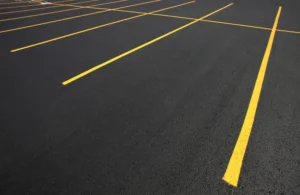
Why Parking Lot Maintenance Matters for Commercial Properties
Your parking lot is one of the first things customers, tenants, employees, and visitors notice at your property. However, over time, your lot can become worn, damaged, or faded.
Regular asphalt commercial parking lot maintenance protects your pavement and those who visit. It helps:
- Reduce liability risks. Cracks, potholes, uneven pavement, and faded markings can create hazards for both pedestrians and drivers.
- Support ADA compliance. Under the Americans with Disabilities Act (ADA), your lot must have accessible parking spaces, access aisles, and pedestrian routes. Routine maintenance ensures you meet these ADA parking requirements.
- Improve curb appeal and tenant satisfaction. A clean, well-maintained parking lot reflects positively on your property.
- Extend pavement life. Preventive maintenance helps slow the effects of traffic, weather, water infiltration, and UV exposure.
Putting off routine maintenance can quickly lead to much higher repair costs. For instance, minor crack filling typically costs significantly less than full-depth reclamation or replacement.
The Annual Parking Lot Maintenance Checklist (By Season)
Each season presents different challenges for commercial pavements. While routine inspections can be handled in-house, many parking lot maintenance services should be performed by experienced professionals.
Here’s a seasonal maintenance checklist to help stay ahead of minor issues:
| Spring | Summer | Fall | Winter |
|---|---|---|---|
| Inspect pavement for cracks | Apply protective sealcoat | Complete crack filling before freezing | Use de-icing materials carefully |
| Repair potholes and failed areas | Restripe parking lot markings | Clean catch basins and storm drains | Document pavement damage after storms |
| Check drainage and catch basins | Fill new pavement cracks | Review snow removal plans | Monitor recurring ice buildup |
| Refresh faded pavement markings | Remove weeds and vegetation | Inspect speed bumps and wheel stops | Keep ADA routes clear of snow and ice |
| Schedule seasonal sealcoating | Inspect lighting, signs, and safety features | Verify ADA and directional signage | Plan spring repairs for documented damage |
Asphalt Parking Lot Maintenance: What to Inspect and How Often
A seasonal checklist helps organize maintenance throughout the year, but regular inspections are also key to keeping your lot in optimal shape. Consistent monitoring allows property managers to identify small issues before they become major pavement problems.
Here’s what to inspect and how often:
| Task | Recommended Frequency | Property Manager Inspection | Professional Service |
|---|---|---|---|
| Surface inspection | Monthly | ✔ | As needed |
| Crack filling | Annually or as needed | Monitor conditions | ✔ |
| Sealcoating | Every 2–3 years | Monitor wear | ✔ |
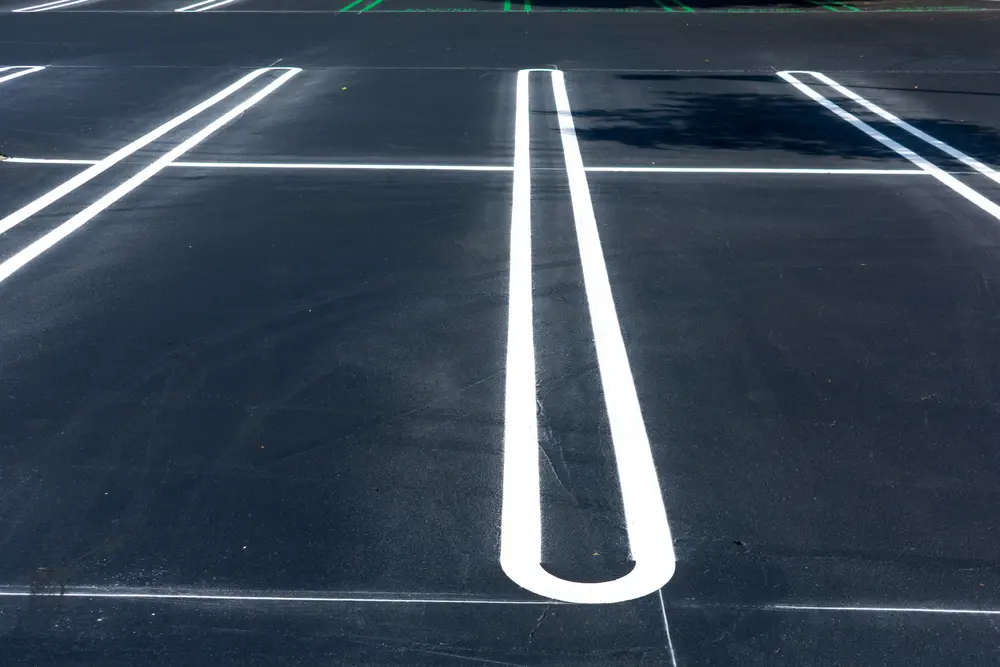
| Pavement markings and line striping | Every 1–2 years or after sealcoating | Monitor fading | ✔ |
| Drainage inspection | Twice per year | ✔ | As needed |
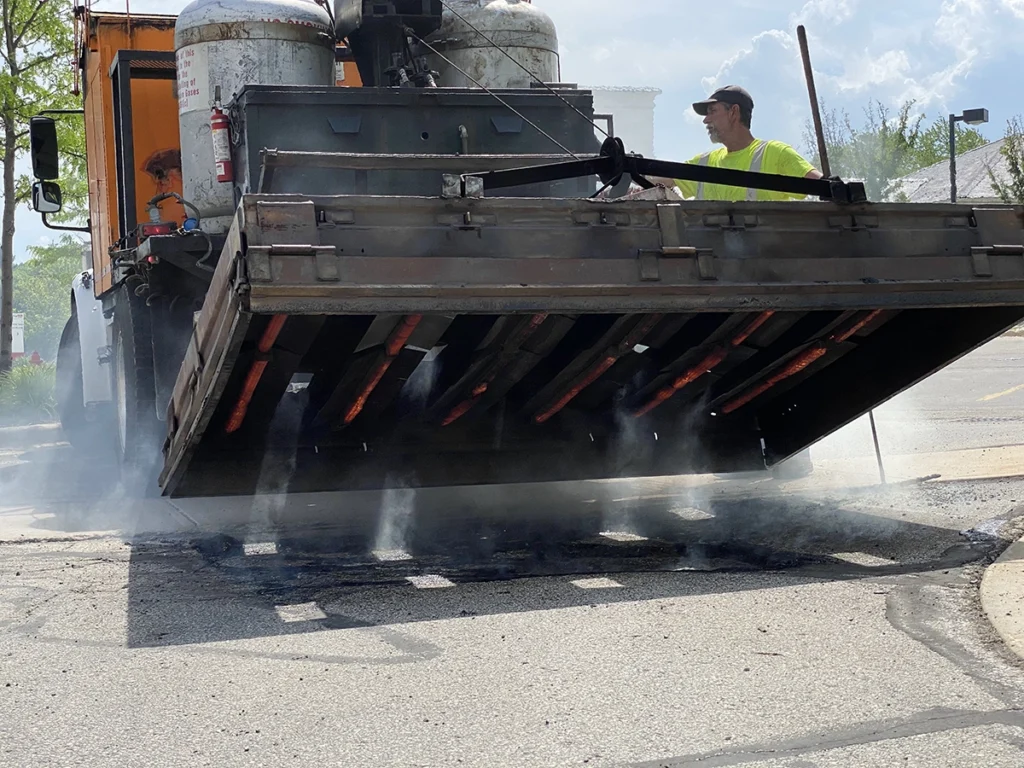
| Pothole repairs | As needed after discovery | Identify damage | ✔ |
| Asphalt resurfacing | Approximately every 15–25 years, depending on pavement condition and traffic | Monitor pavement condition | ✔ |
High-traffic properties often require more frequent maintenance, including annual inspections, crack filling, and sealcoating. Lower-traffic lots may need less frequent service but still benefit from routine inspections to catch damage early.
Always keep records of inspections and asphalt parking lot maintenance, including dates, completed work, costs, and recommended follow-up actions. Photos can help track pavement conditions, support claims, and simplify future planning.
Common Parking Lot Maintenance Mistakes Property Managers Make
Even with a maintenance plan, certain mistakes can shorten the life of your pavement and increase repair costs. Avoid these common issues to reduce unexpected expenses.
- Waiting until the pavement visibly fails. Small cracks are often the first warning sign of pavement deterioration. By the time potholes develop, the damage has often reached the underlying pavement structure, making repairs more extensive and expensive.
- Applying sealcoat before crack filling. Open cracks should be repaired before sealcoating. Applying sealcoat over unrepaired cracks doesn’t address the underlying problem and allows water to continue damaging the pavement.
- Using excessive amounts of de-icing chemicals. While de-icing is important for safety, excessive use of certain products can contribute to pavement deterioration over time. Follow manufacturer recommendations and use the appropriate materials for your climate and property.
- Ignoring ADA parking areas. Accessible parking spaces, access aisles, and pedestrian routes should be inspected regularly. Faded markings or damaged pavement may create compliance concerns. Learn more with Pave America’s ADA parking lot compliance guide.
- Failing to document maintenance. Keeping maintenance records, inspection reports, and photos helps property managers schedule future work, support warranty documentation, and demonstrate proactive property management.
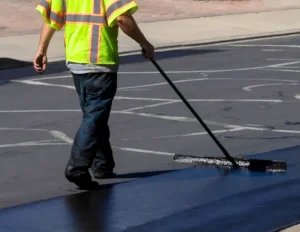
When to Call a Parking Lot Maintenance Company
Property managers can perform routine inspections throughout the year, but many maintenance tasks require specialized equipment and experienced crews. Knowing the difference helps you address problems before they become larger repairs.
Schedule a professional assessment if you notice:
- Cracks wider than 1/4 inch or widespread alligator cracking, which often indicates structural pavement failure requiring reconstruction.
- Potholes that continue growing or appear in multiple locations.
- Faded ADA pavement markings that need to be restriped to maintain visibility and compliance.
- Standing water that remains more than 24 hours after rainfall. This may indicate potential drainage problems.
- Raveling, loose aggregate, or widespread surface deterioration.
During a professional evaluation, experienced crews assess visible pavement distress, drainage conditions, and the overall condition of the structure to recommend the best maintenance strategy.
Choose Pave America for all of Your Parking Lot Maintenance Needs
A proactive parking lot maintenance plan helps protect your pavement, reduce long-term repair costs, and keep your property professional year-round.
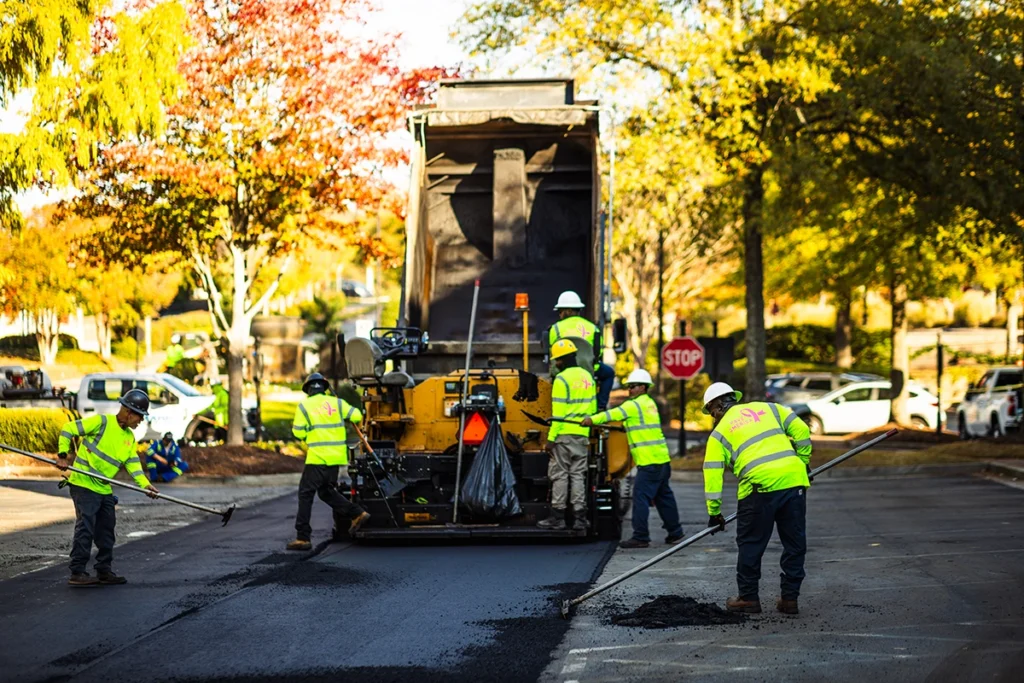
As a self-performing provider, Pave America delivers trusted parking lot maintenance services through its nationwide network of experienced teams. If your parking lot is due for an inspection, crack filling, sealcoating, patching, or pavement markings, contact us to schedule a professional evaluation.
Asphalt Parking Lot Maintenance FAQs
How often should a commercial parking lot be inspected?
Commercial parking lots should be inspected regularly to identify cracks, potholes, drainage issues, faded pavement markings, and other potential hazards. Property managers should conduct surface inspections monthly and inspect drainage systems twice a year. High-traffic properties may require more frequent maintenance and professional inspections.
How often should an asphalt parking lot be sealcoated?
Asphalt parking lots should generally be sealcoated every 2–3 years, depending on pavement condition and wear. Sealcoating should be part of a preventive maintenance plan and performed after necessary crack filling and pavement repairs.
What should be included in a parking lot maintenance schedule?
A parking lot maintenance schedule should include regular pavement inspections, crack filling, sealcoating, pothole repairs, drainage inspections, pavement marking and line striping, and seasonal maintenance. Property managers should also document completed work, costs, pavement conditions, and recommended follow-up actions.
When should a property manager call a parking lot maintenance company?
Property managers should schedule a professional assessment when they notice cracks wider than 1/4 inch, widespread alligator cracking, growing or recurring potholes, faded ADA pavement markings, standing water that remains more than 24 hours after rainfall, raveling, loose aggregate, or widespread surface deterioration. A professional evaluation can help determine the appropriate maintenance or repair strategy.